Holy Heroes · Stage of the cause
Venerables
Servants of God whose heroic virtue, or the offering of their life, has been recognised by a decree authorised by the Pope.
A Servant of God is declared “Venerable” when the Pope authorises the Dicastery for the Causes of Saints to promulgate a decree recognising that he or she lived the Christian virtues to a heroic degree: the theological virtues of faith, hope and charity, and the cardinal virtues of prudence, justice, fortitude and temperance. Since Pope Francis's apostolic letter Maiorem hac dilectionem (2017), a decree can also recognise the free offering of one's life for others, accepted out of charity until death.
The decree is the fruit of long study. After the diocesan inquiry, the postulator prepares a positio, a documented volume on the person's life, virtues and reputation for holiness. It is examined by theological consultors and then by the cardinals and bishops of the Dicastery before it reaches the Pope.
A Venerable is not yet beatified: there is no feast day and no public liturgical cult. What is normally still required for beatification is one miracle attributed to the Venerable's intercession, examined by doctors and theologians and approved by the Pope. That is why prayer matters at this stage: the faithful who ask a Venerable's intercession, and who report any grace received to the postulation, take part in the cause.
Venerables on MyHolyHero
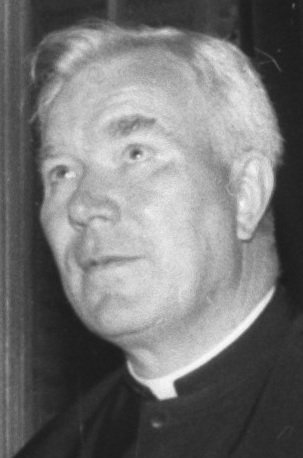
Patrick Joseph Peyton, C.S.C.
Irish-born Holy Cross priest, known as the Rosary Priest, who led the Family Rosary Crusade and coined 'The family that prays together stays together.'
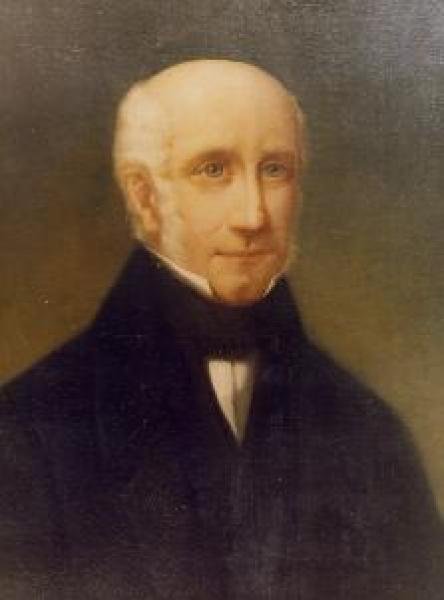
Venerable Léon Papin-Dupont
French Catholic layman known as the 'Holy Man of Tours'; promoted devotion to the Holy Face of Jesus and nightly Eucharistic adoration; declared Venerable by Pope Pius XII.
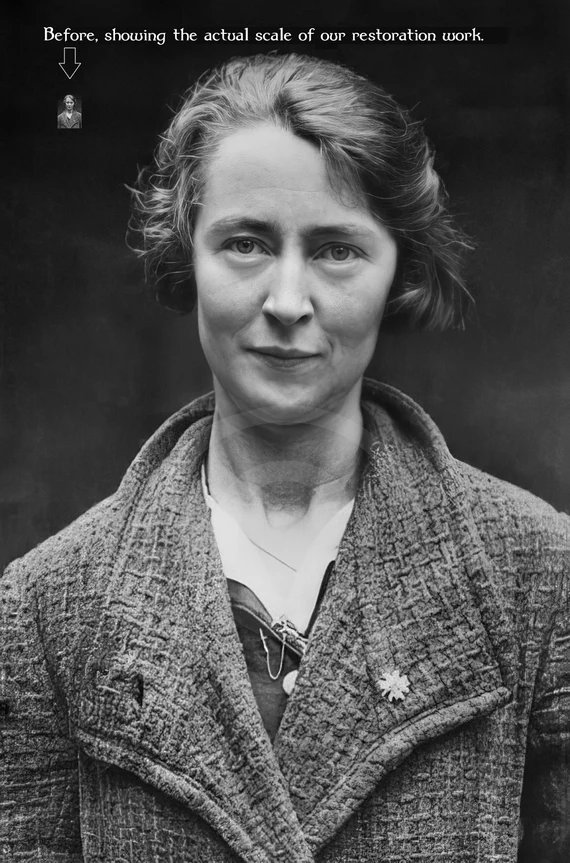
Edel Mary Quinn
Irish Legion of Mary envoy to East and Central Africa, who founded hundreds of praesidia across the continent while dying slowly of tuberculosis.
Matthew 'Matt' Talbot
Dublin labourer who broke a sixteen-year addiction to alcohol and lived forty years of hidden penance, prayer and quiet charity until his death in 1925.
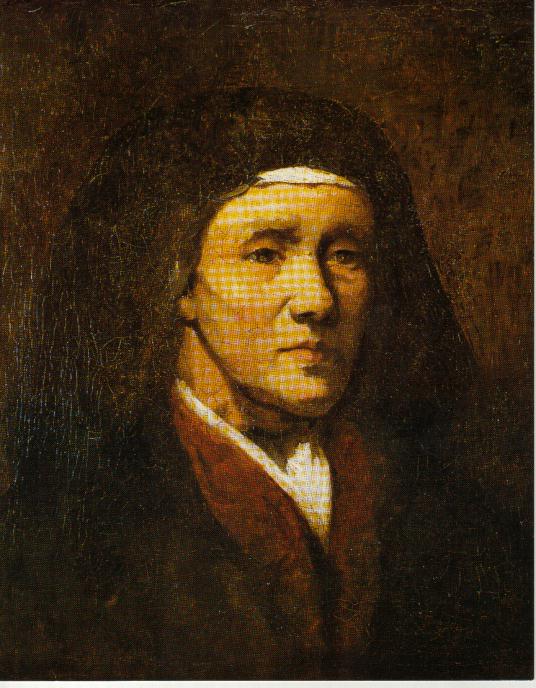
Venerable Nano Nagle (Honora Nagle)
Eighteenth-century Irish foundress who defied the Penal Laws to open clandestine schools for poor Catholic children in Cork and founded the Presentation Sisters.
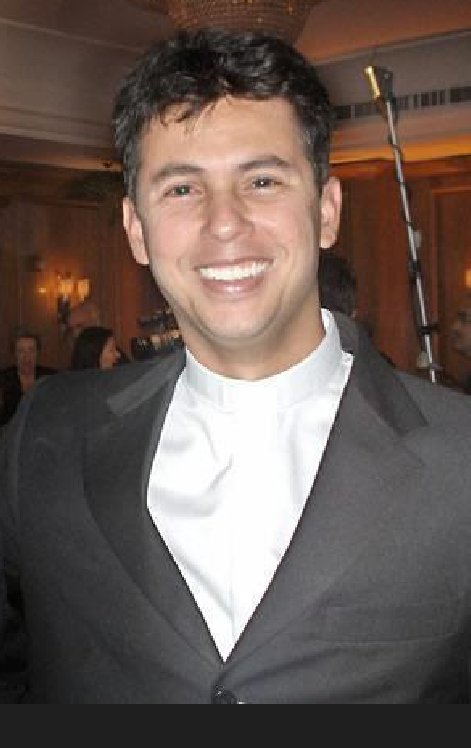
Guido Schaffer
Brazilian medical doctor and seminarian known as the 'Surfer Angel', who served the poor of Rio de Janeiro and drowned at age thirty-four; declared Venerable by Pope Francis in 2023.
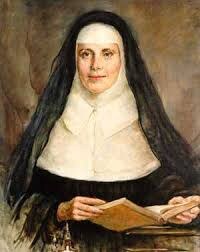
Venerable Catherine McAuley, R.S.M.
Dublin laywoman who inherited a fortune and built a House of Mercy for poor women and children, founding the Sisters of Mercy in 1831 — now one of the largest women's congregations in the world.
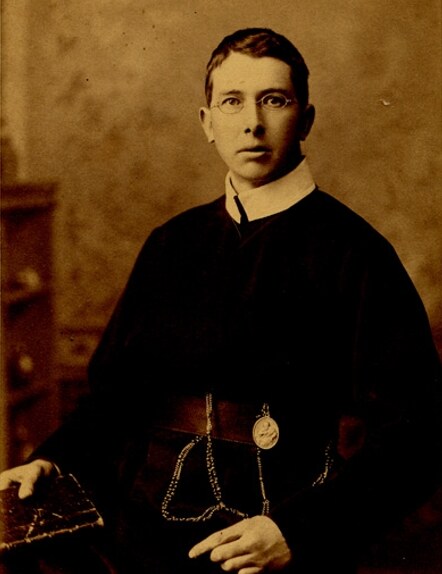
Venerable Alfred Pampalon, C.Ss.R.
Quebec Redemptorist priest who died at twenty-eight after a short, prayer-soaked life. Today invoked across the Americas as a powerful intercessor for those battling addiction.
Frequently asked questions
What does “Venerable” mean in the Catholic Church?
It means the Pope has authorised a decree recognising that the person lived the Christian virtues to a heroic degree or, since 2017, freely offered their life for others out of charity. It is the second stage, after Servant of God.
What is needed for a Venerable to be beatified?
Normally one miracle attributed to their intercession, usually a healing that medical experts cannot explain, examined by the Dicastery for the Causes of Saints and approved by the Pope.
Does a Venerable have a feast day?
No. Liturgical veneration begins only with beatification. Until then a Venerable may be prayed to privately.
How can I help a Venerable's cause?
Pray privately for their intercession and for their beatification and, if you believe you have received a grace or favour, write to the postulation of the cause with the details. Each hero's page on this site gives the cause's prayer where one exists.
Is a Venerable a candidate for sainthood?
Yes. A Venerable is a candidate whose cause is open and well advanced. Servants of God and Blesseds are also candidates; only canonization makes someone a Saint.